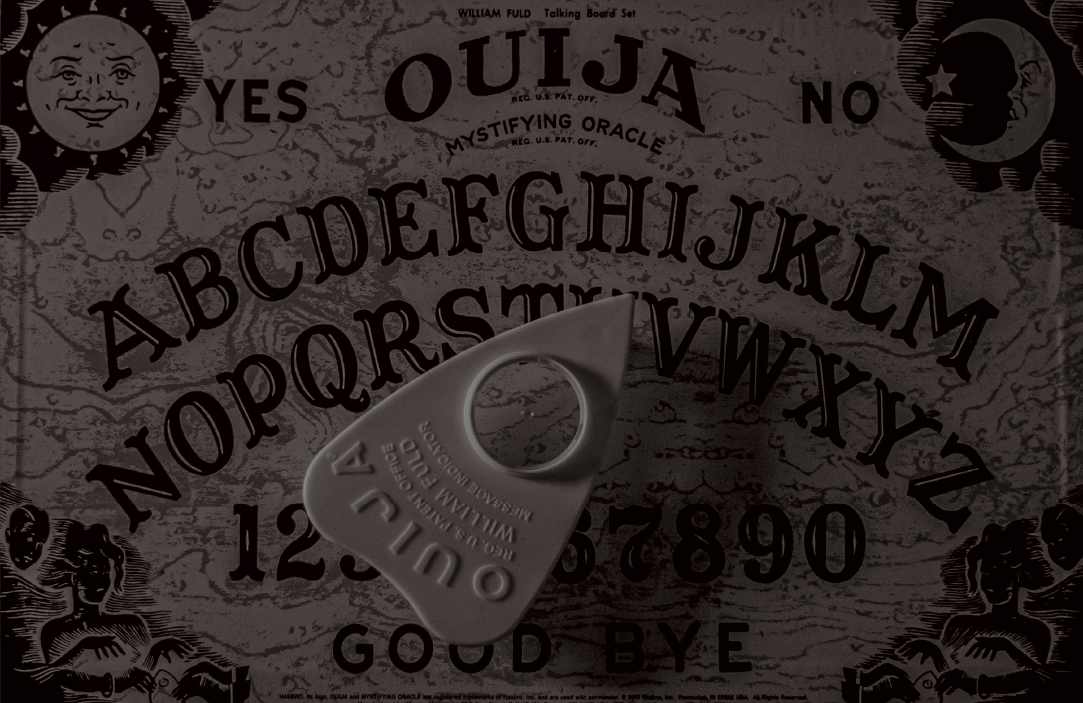
G.K. Chesterton wrote, “When men choose not to believe in God, they do not thereafter believe in nothing, they then become capable of believing in anything.”
His observation highlights a deeper truth: human beings are inherently spiritual. We possess an awareness of and a longing for the supernatural and the eternal. As Ecclesiastes 3:11 says, God “has put eternity into man’s heart.” We are made to worship — it is an inescapable part of the human experience. The only question is, what or whom will we worship?
Chesterton’s quote is particularly relevant in today’s Western context, where increasing numbers are turning away from traditional religion, especially Christianity. According to the Pew Research Center, the percentage of Americans identifying as religiously unaffiliated, including atheists, agnostics and those with “nothing in particular,” rose from 16% in 2007 to 26% in 2021. This trend is especially pronounced among younger generations: 40% of Millennials and 50% of Gen Z report having no religious affiliation.
But leaving traditional religion doesn’t mean people are abandoning spirituality altogether. Many now prefer the label “spiritual but not religious” (SBNR). These individuals seek a personalized spiritual path, often valuing experience, authenticity and inclusivity over doctrine. For them, spirituality may center on inner growth, holistic wellness and a sense of cosmic connection often outside the framework of organized religion. Though they may lack a defined creed, many SBNR adherents share a deep sense of the sacred, found in themselves, in nature or in the mysteries of the universe.
The Occult’s Resurgence
One clear expression of this shift is the resurgence of occult practices in the United States. Broadly defined, the occult involves mystical, supernatural or magical beliefs and practices that are hidden or esoteric. These include tarot, numerology, astrology, alchemy, divination, witchcraft and magic. The occult seeks interaction with the paranormal — spirits, ghosts, demons and other unseen entities.
Several factors are fueling the revival of occult practices. Social media platforms like TikTok, Instagram and YouTube have normalized and popularized content such as #WitchTok, astrology and crystal tutorials, making once-fringe practices widely accessible and community-driven. Pop culture has long glamorized the occult through books, TV shows and films like “Harry Potter,” “The Craft” and “Sabrina,” softening public perception, especially among younger audiences.
Modern culture’s emphasis on personal empowerment, healing and self-discovery aligns closely with occult themes. Practices like Wicca, astrology and energy healing are often embraced as tools for empowerment, particularly by women and marginalized groups. In times of stress or trauma, these practices offer comfort, insight and a sense of control. In a postmodern society that values subjective truth and inclusivity, the occult appeals to those seeking diverse and individualized spiritual paths.
Whatever the reason, what was once fringe has increasingly become mainstream. The National Spiritualist Association of Churches (NSAC), a central body in American spiritualism, has experienced renewed interest. Spiritualism, especially through practices like mediumship and psychic readings, has grown alongside other New Age movements.
According to a 2018 Gallup survey, 37% of Americans believe in ghosts. A separate Pew Research study the same year found that 41% of Americans believe psychics or mediums can communicate with the dead or predict the future — clear signs of the enduring influence of spiritualism. Overall, about 30% of Americans engage in some form of occult activity, such as astrology, tarot readings or psychic consultations, according to Pew.
The popularity of these services is also big business. A 2019 Statista survey reported that 15% of Americans had visited a psychic at least once. The psychic services industry generated an estimated $2.3 billion in 2024 and employed more than 100,000 individuals.
Occultism in the Wellness Industry
The wellness industry is another place where occult elements frequently appear. Many wellness practices incorporate spiritual components like meditation, energy healing, crystal therapy and astrology. The global wellness economy was valued at $4.5 trillion in 2020, with the spiritual wellness sector being a significant contributor.
Astrology and crystal use have surged in popularity, thanks in part to social media platforms like TikTok and Instagram. A 2020 Pew survey found that 32% of Americans used astrology or similar divinatory practices, and 25% reported using tools such as tarot cards or engaging in mediumship.
Wicca, a modern pagan religious movement, has also seen explosive growth. Between 800,000 and 1.5 million Americans now identify as Wiccan — a significant jump from just 8,000 in 1990. Wicca appeals to many younger individuals, offering a blend of spiritual autonomy, environmentalism, gender equality and personal empowerment.
Christians and the Occult
While occult beliefs are more common among the religiously unaffiliated, many Christians in the U.S. also report believing in the supernatural in ways that overlap with occult practices. According to Pew Research:
- 42% of U.S. Christians believe in at least one paranormal phenomenon such as ghosts, psychics or astrology.
- 41% believe in ghosts.
- 31% believe in psychics or mediums.
- 25% believe in astrology.
Even necromancy, the attempt to communicate with the dead, has crept into Christian circles. Former megachurch pastor Steve Berger, for example, has spoken publicly about conversations with his deceased son and wrote a book on the experience. Certain groups within the New Apostolic Reformation movement have engaged in “grave soaking” or “mantle grabbing,” believing they can absorb spiritual power from the graves of deceased Christian leaders.
What the Bible Says About the Occult
Scripture addresses the occult with unambiguous condemnation. Consider Deuteronomy 18:10–12:
There shall not be found among you anyone who burns his son or his daughter as an offering, anyone who practices divination or tells fortunes or interprets omens, or a sorcerer or a charmer or a medium or a necromancer or one who inquires of the dead, for whoever does these things is an abomination to the Lord.
Here are five biblical truths to consider:
- Occult Practices Are Explicitly Forbidden
Passages like Deuteronomy 18:10–12, Leviticus 19:31 and Leviticus 20:6 clearly forbid divination, sorcery, necromancy and fortune-telling. These acts are labeled “abominations” and are spiritually defiling. Scripture is clear: Seeking supernatural knowledge or power apart from God is spiritually corrupt and unacceptable. - Occult Practices Have Grave Consequences
Exodus 22:18, Leviticus 20:6 and Revelation 21:8 associate occult involvement with divine judgment. In the Old Testament, some offenses warranted death. In the New Testament, sorcery is linked to eternal separation from God. - Believers Must Renounce Occult Ties
In Acts 19:18–19, new converts in Ephesus burned their occult books in a public act of repentance. Genuine faith in Christ involves a decisive break from occult practices. - Occultism Is a Work of the Flesh
Galatians 5:19–21 lists sorcery among behaviors that exclude someone from inheriting God’s kingdom. Occult involvement is incompatible with life in the Spirit. - Seeking the Occult Replaces God
Isaiah 8:19 warns against consulting mediums and the dead, framing it as a rejection of God’s guidance. Turning to the occult ultimately constitutes idolatry.
A Christian Response
Given the rise of occultism, how should Christians respond? Here are a few biblical and pastoral approaches:
Practice Compassion — Colossians 3:12
Christians are called to act with compassion, kindness, humility and patience. Those involved in occult practices are often unaware of the spiritual dangers. They may be deceived or spiritually oppressed. Respond with the same grace God extended to you.
Pray First
If someone you know is involved in occult practices, the most powerful response is prayer. Ask God to bring conviction and healing. Pray for opportunities to speak truth in love and share the gospel.
Listen Before You Speak
Don’t cut off relationships. Instead, listen well. Many people turn to occult practices out of deep spiritual hunger. Ask a lot of questions. Every SBNR or occult believer has a unique perspective and set of beliefs. By truly hearing them, you demonstrate the love of Christ and earn the right to be heard in return.
Share the Gospel, Not Just Warnings
While it’s important to point out spiritual dangers, focus more on offering hope. Rather than debating every specific occult practice, center the conversation on Jesus — his power, authority and ability to meet every spiritual need. Highlight his dominion over nature, evil and death as seen in the Gospels.
Trust the Power of Scripture
Stand on the truth of the Bible with gentleness and respect (1 Peter 3:15). Show what God’s Word says about these practices, but do so with kindness and humility. Let the Holy Spirit work through Scripture to bring transformation.
Light in the Darkness
It’s wise to be aware of signs of occult influence and to understand common beliefs and their inconsistencies. But ultimately, the most powerful way to reach someone caught in occult practices is not by emphasizing the danger, but by offering the hope and light of Jesus Christ.
The early church lived in a world saturated with occultism and pagan worship. Yet they transformed the Roman world — not by railing against it, but by proclaiming the truth of Scripture and the gospel. As Romans 1:16 says, “The gospel is the power of God for salvation.” In a world seeking answers from crystals, cards and psychics, Christians must offer something far better: the living Christ.


One Response
Friends, it is worthwhile to be knowledgeable of your preceding relatives. I have relatives who were Mason (not a new cult). This introduces the family to all sorts of demon forces–demons of infirmity, demons of death (to enter the Mason they place a dagger on one’s chest and one promises not to share about Mason, or one will have one’s heart cut out with a dagger), demons of poverty, etc.) I had a relative who practiced witchcraft by having the ability to hex warts off of people. We need the Lord Jesus to helps us.