I’m not a big fan of business language, principles or practices being integrated into the church. That’s not to say that, by God’s common grace, the business world can’t offer helpful insights into how churches operate — especially as formal organizations — or that biblical and business principles never overlap. But overall, we are not called to function as businesses, and on that conviction, I stand firmly.
There is, however, one business concept that often comes to mind: the cost of customer retention versus new customer acquisition. Businesses frequently ask whether it’s more expensive to keep an existing customer or to gain a new one. Generally, most agree that acquiring new customers costs more than retaining current ones. Yet for long-term sustainability, a business must find a balance between the two.
Member Ministry
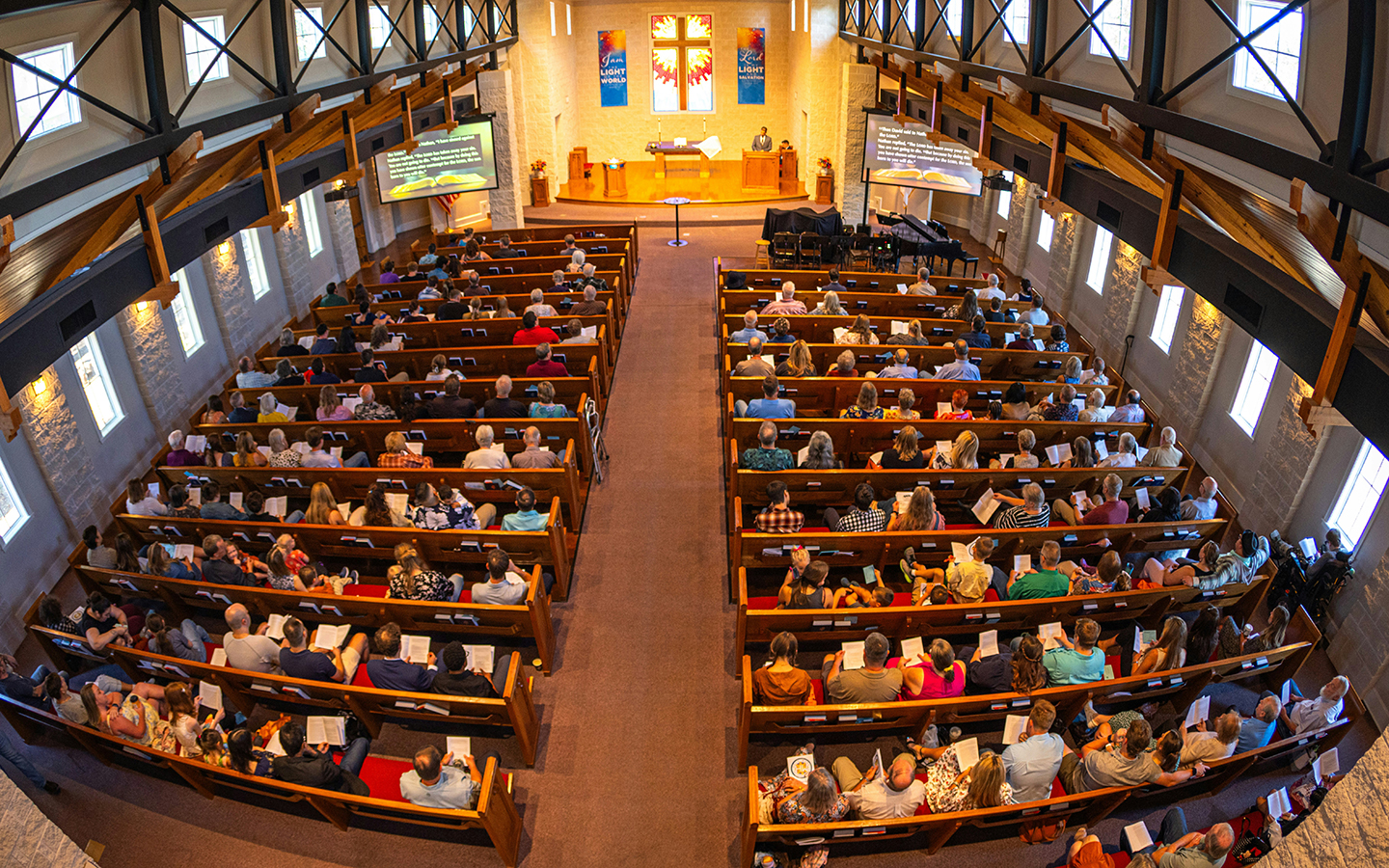
Churches face a similar question to businesses: Do we focus on ministering to our current members or reaching out for new additions?
Churches that are struggling or in decline often feel they can’t sustain any more loss. When the need for healthy, biblical change arises, they may resist it — fearing that such change could drive away more people. On the other hand, some churches neglect their membership because they believe the church is the only institution that exists solely for its non-members. This, however, is patently false. God commands elders to “shepherd the flock of God that is among you” (1 Peter 5:2).
The truth is that churches live in the tension of caring for their current members while also reaching out to the lost with the gospel. Churches must resist — and repent of — the fear of losing people. Some change is both good and necessary, as long as it is biblically motivated rather than driven by what merely “works.” When a church faces difficult decisions and the need to align more closely with Scripture, it must be willing to lose those who refuse to follow biblical truth.
If a church needs to make a theological change to be more faithful to Scripture, then it must pursue that change regardless of potential losses. If a church has failed to address sin or practice biblical discipline, it must grow in obedience to those commands — even if it means confronting the few members who remain. Overlooking false doctrine and unrepentant sin is devastating to the body of Christ, allowing leaven to spread and spoil the whole dough (Galatians 5:7-10; 1 Corinthians 5:6-8).
Some may argue, “It’s better for someone to be in church than not.” But that isn’t always true. Ignoring or excusing sin and tolerating false gospels harm the church deeply — not to mention that one of the main responsibilities of pastors and elders is to protect the flock from false teachers. There are theological beliefs that are simply wrong and have no place in the gathered body.
This doesn’t mean we embark on a theological purge or send out “sin-sniffing hounds.” Theological and ministry change must be pursued with grace and patient teaching. As Scripture instructs, “And we urge you, brothers, admonish the idle, encourage the fainthearted, help the weak, be patient with them all” (1 Thessalonians 5:14).
Shepherding the flock of God is not about making sure people simply “get in line” with the vision and direction of the church. Pursuing theological discipline and holiness within the body takes firm but patient teaching and consistent labor. Church leaders should not adopt a “get on the bus or get run over” mentality.
There may be times when people choose to leave as the church seeks greater theological and moral health. These departures, however, should never result from “ruling with an iron fist,” but only after patient shepherding and gracious instruction have been faithfully applied. The gospel must be preached to both the lost and the found. We all need regular reminders that following Christ means daily taking up our cross — being encouraged when we are weary and corrected when we stray.
The church is called to make disciples (Matthew 28:18–20). This means believers must both grow spiritually (Hebrews 5:12) and reach out with the gospel (Luke 24:46–49). Too often, fear drives us more than gospel hope. We fear losing people, so we resist change. We fear others’ reactions, so we remain silent about Christ with friends, family, neighbors and co-workers. We fear being labeled “seeker-sensitive,” so we avoid outreach. We fear being called judgmental, so we stop teaching holiness and holding one another accountable.
Confronting issues within the church is difficult, and fear often gets the best of us. I can attest to many times when fear prevailed to the detriment of the church. This reflection comes from a heart that longs for you to avoid these same mistakes.
The church exists both for its current members and for those yet to be added. May we live in hopeful anticipation of God’s work through the gospel as we share and apply it among those inside and outside our church communities.


One Response
Very good reminders for us in a local church. It truly needs to be balance of continuing to share the Good News with others around us, but also shepherding the flock. And doing both as we are sensitive to the Holy Spirit and making sure we continue to submit to it’s leading and guiding.